September 25, 2026
The kitchen is one of the most visually influential spaces in a home, and its design can shape how the entire interior feels. As preferences change, homeowners may find that older cabinetry, dated finishes, inefficient layouts, or mismatched materials no longer reflect the look they want. Professional kitchen renovation services can help transform these spaces by updating the elements that define a kitchen's overall style while also improving how the room functions.
Style changes are a major part of many remodeling projects. According to the 2026 U.S. Houzz Kitchen Trends Study, 78% of renovating homeowners changed their kitchen's style. Transitional design was the most common choice at 25%, followed by traditional design at 12% and modern design at 11%. These figures show that many homeowners are using renovations as an opportunity to create a more cohesive and personalized interior. Changes to cabinetry, countertops, layouts, lighting, and finishes can all contribute to a completely different kitchen appearance.
Creating a New Style Through Cabinetry
Changing Cabinet Profiles
Cabinet doors are one of the most noticeable design features in a kitchen. Flat-panel doors can contribute to a streamlined contemporary appearance, while raised or detailed profiles may complement more traditional interiors. Kitchen renovation services can incorporate cabinetry that better reflects the homeowner's preferred design direction and works with surrounding architectural features.
Changing Cabinet Colors
Color can dramatically influence how cabinetry affects the room. Light finishes may make a kitchen feel brighter and more open, while darker tones can create contrast and visual depth. Natural wood finishes can introduce warmth and texture. Choosing cabinet colors as part of a coordinated renovation helps create a more intentional overall design.
Changing Cabinet Hardware
Handles, pulls, and knobs may seem like small details, but they can significantly influence a kitchen's character. Sleek hardware can reinforce a modern aesthetic, while more decorative options may fit traditional or transitional spaces. Selecting hardware that complements cabinetry, lighting, and plumbing fixtures helps strengthen design consistency.
Changing Cabinet Configuration
Renovation may also provide opportunities to reconsider how cabinetry is arranged. Taller cabinets, islands, open sections, or revised storage layouts can alter both appearance and functionality. These changes can help the room feel more customized while supporting the homeowner's preferred style and everyday storage needs.
Creating a New Style Through Countertops
Changing Surface Materials
Countertops occupy a large visual area, making them an important style element. Different materials offer distinct patterns, textures, and finishes that can shift the character of the room. Through kitchen renovation services, homeowners can select countertop surfaces that coordinate with cabinetry, flooring, backsplash materials, and other design features.
Changing Surface Colors
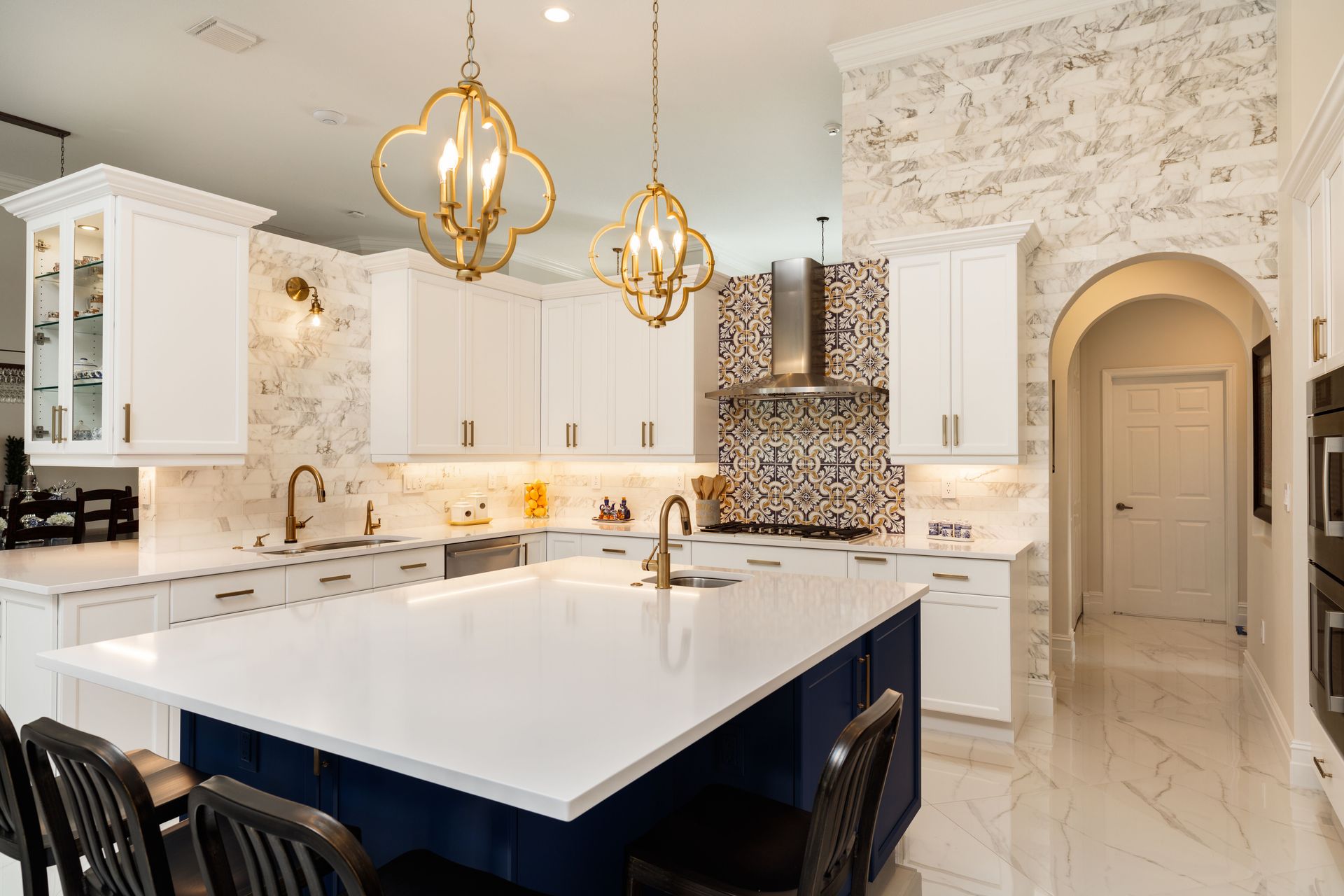
Countertop color can create contrast or continuity within the kitchen. A light surface paired with darker cabinetry may establish a bold visual difference, while similar tones can create a softer, more unified appearance. The right color relationship can reinforce whether the kitchen feels contemporary, traditional, transitional, or somewhere between those styles.
Changing Surface Patterns
Some homeowners prefer subtle countertops that blend quietly into the space, while others choose prominent veining or patterns that become a focal point. Pattern selection can influence how visually active the kitchen feels. Coordinating these patterns with nearby finishes can prevent the overall design from becoming disconnected or overly busy.
Changing Edge Details
Even countertop edges can contribute to style. Clean, simple edges may support modern designs, while more detailed profiles can complement traditional spaces. These finishing details may be relatively small compared with the entire countertop, but they contribute to the overall impression once the renovation is complete.
Creating a New Style Through Layout
Changing Work Areas
A kitchen's layout influences both appearance and movement. Older spaces may contain work areas that feel segmented or poorly connected. Kitchen renovation services can help reconfigure these areas so cooking, preparation, cleaning, and storage zones work together more naturally while also supporting a more updated visual arrangement.
Changing Island Placement
An island can become a major visual anchor within the room. Its placement, size, materials, and seating arrangement all affect how the kitchen looks and functions. A thoughtfully incorporated island can support a more open layout, provide additional workspace, and become a focal feature within the new design.
Changing Traffic Flow
Renovation can also address how people move between the kitchen and nearby rooms. Openings, counters, appliances, and seating areas all influence traffic patterns. A layout designed around comfortable circulation can make the kitchen feel less crowded and more connected to dining, living, or entertaining areas.
Changing Visual Openness
Some homeowners prefer open, airy kitchens, while others value defined spaces with clearer boundaries. Renovation can help create either effect depending on the home's architecture and the owner's preferences. Adjusting cabinetry placement, sightlines, and structural elements can significantly influence how open or enclosed the kitchen feels.
Creating a New Style Through Lighting
Changing Fixture Designs
Lighting fixtures can serve as both practical elements and decorative features. Pendant lights, chandeliers, recessed fixtures, and under-cabinet lighting each contribute differently to the overall design. Kitchen renovation services can incorporate fixtures that support the desired style while also providing appropriate illumination for everyday tasks.
Changing Lighting Layers
A kitchen often benefits from several types of lighting rather than a single central fixture. Ambient, task, and accent lighting can work together to create depth and highlight different areas. Layered lighting can also make the finished space feel more polished by drawing attention to cabinetry, countertops, backsplashes, or architectural features.
Changing Fixture Finishes
Metal finishes help connect lighting with cabinet hardware, faucets, and appliances. Matte, polished, brushed, or warm-toned finishes can influence the room's overall character. Coordinating these details helps create a design that feels intentional rather than assembled from unrelated components.
Changing Visual Emphasis
Lighting can direct attention toward certain design elements. Pendant fixtures may emphasize an island, while accent lighting can highlight open shelving or decorative surfaces. Thoughtful placement helps define focal points and contributes to the atmosphere homeowners want their renovated kitchen to create.
Creating a New Style Through Finishing Details
Changing Backsplash Materials
The backsplash offers an opportunity to introduce color, texture, and pattern. Tile size, shape, finish, and layout can shift the kitchen toward a more traditional, transitional, or modern appearance. Kitchen renovation services can help coordinate backsplash materials with the surrounding countertops and cabinetry for a more unified result.
Changing Flooring Choices
Flooring influences the visual foundation of the kitchen and how the room relates to adjacent spaces. Wood tones, tile patterns, and other surfaces can contribute warmth, contrast, or continuity. When flooring is chosen as part of the overall renovation, it can strengthen the connection between the kitchen and the rest of the home's design.
Changing Wall Colors
Wall color provides another way to reshape the atmosphere of the room. Neutral tones can keep attention on cabinetry and countertops, while stronger colors may add personality or create contrast. Coordinating wall colors with permanent finishes helps ensure the completed design feels balanced.
Changing Decorative Details
Trim, molding, shelving, fixture styles, and other finishing touches can help distinguish one kitchen style from another. These details often become most effective when they reinforce choices made throughout the rest of the room. Kitchen renovation services can bring these individual elements together so the final space feels consistent rather than pieced together.
Changing a kitchen's style often involves much more than selecting new colors or replacing a single surface. Cabinetry, countertops, layout, lighting, flooring, and decorative details all work together to shape the finished space. A coordinated renovation can help homeowners create a kitchen that reflects current preferences while remaining practical for everyday use. Homeowners ready to update the appearance and functionality of their space can contact Bradley Brothers General Contractors today to learn more about professional kitchen renovation services and begin planning a kitchen that better matches their style.